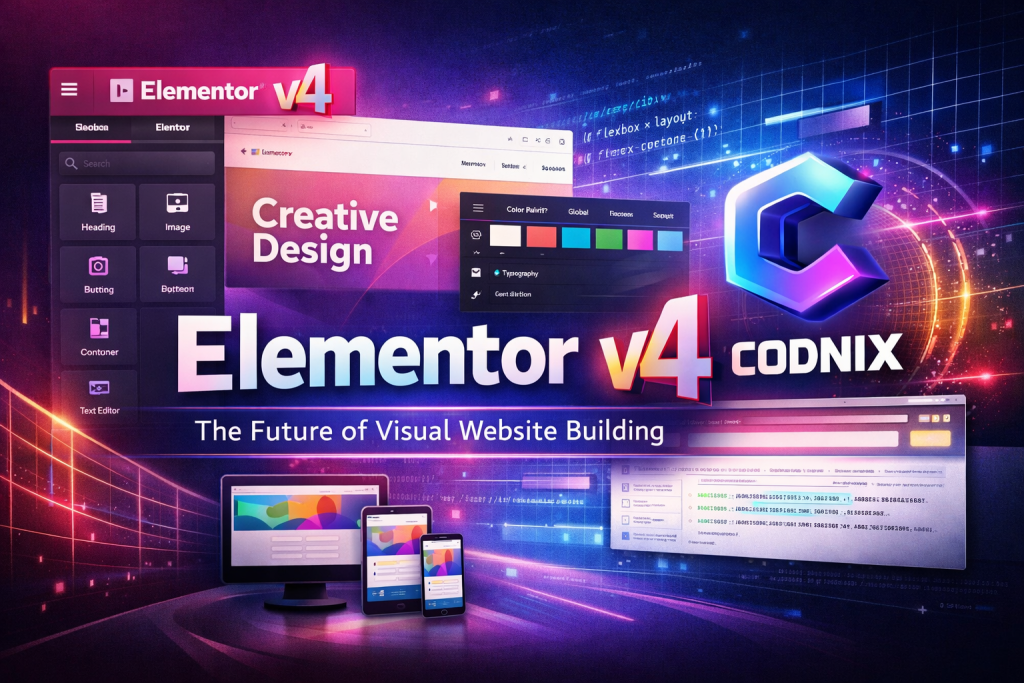
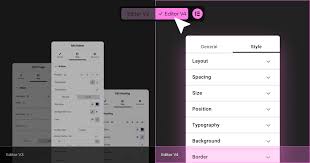
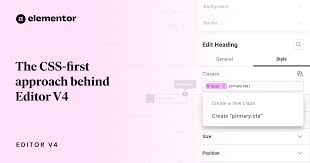
The world of WordPress page builders is evolving rapidly, and Elementor v4 marks a significant leap forward in performance, flexibility, and design capabilities. As a professional developer or agency, staying ahead of these updates is essential—not just for better workflow, but for delivering faster, more scalable websites to clients.
🚀 What is Elementor v4?
Elementor v4 is the next major evolution of the Elementor page builder, focusing heavily on:
- Performance optimization
- Clean, scalable code structure
- Advanced design systems
- Improved developer experience
Unlike previous versions, v4 is not just about adding new widgets—it’s about redefining how websites are built at a structural level.
⚡ Key Features of Elementor v4
1. Optimized Performance Architecture
Elementor v4 introduces a lighter DOM structure and reduces unnecessary wrapper elements. This results in:
- Faster page load times
- Better Core Web Vitals scores
- Improved SEO performance
For developers, this means fewer hacks and more clean output.
2. Advanced Layout System (Flexbox & Grid Enhancements)
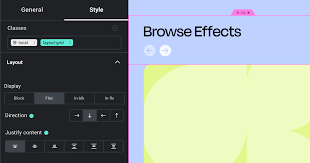
The Flexbox Container system becomes more powerful and stable in v4. It allows:
- Precise alignment control
- Responsive layout without excessive media queries
- Cleaner nesting and structure
This aligns perfectly with modern CSS practices, making layouts more maintainable.
3. Design System & Global Styling
Elementor v4 strengthens its design system approach, enabling:
- Global typography and color control
- Reusable design tokens
- Consistent UI across the entire site
For agencies and product builders like Codnix, this means faster project delivery and easier scaling.
4. Improved Widget Development Experience
One of the biggest upgrades is for developers:
- Cleaner widget structure
- Better API consistency
- Reduced dependency on legacy code
This opens huge opportunities for building high-quality addons like:
- Custom sliders
- Dynamic content widgets
- Advanced UI components
Exactly where Codnix can dominate the market.
5. Reduced Dependency on Sections & Columns
Elementor v4 moves away from the old Section → Column → Widget structure toward a more flexible container-based system.
Benefits include:
- Less DOM nesting
- Better responsiveness
- More control over layout logic
6. Future-Ready Foundation
Elementor v4 is clearly built with the future in mind:
- Better compatibility with modern frameworks
- Easier integration with headless WordPress
- Scalable for complex web applications
💡 Why Elementor v4 Matters for Codnix
If you are building a plugin ecosystem like Codnix, Elementor v4 is a golden opportunity.
Here’s why:
✔ Cleaner Base = Better Widgets
You can build widgets with:
- Less CSS conflicts
- More predictable behavior
- Higher performance
✔ New Market Gap
Many existing addons will struggle to adapt quickly. This creates space for Codnix to:
- Launch optimized widgets for v4
- Offer performance-focused components
- Position as a “next-gen Elementor addon”
✔ Perfect for Advanced UI Components
Your ideas like:
- Unique sliders
- Interactive layouts
- Advanced filtering systems
…will perform significantly better in v4.
🔮 What Should Developers Do Now?
To stay ahead:
- Start testing Elementor v4 early
- Refactor old widgets to match the new structure
- Focus on performance-first development
- Build reusable components instead of one-off designs
🎯 Final Thoughts
Elementor v4 is not just an update—it’s a shift in philosophy.
It moves from:
“Visual builder with heavy structure”
to
“Modern frontend system with visual control”
For developers, freelancers, and product builders, this is the perfect time to innovate.
And for Codnix, this could be the moment to lead—not follow—the Elementor ecosystem.